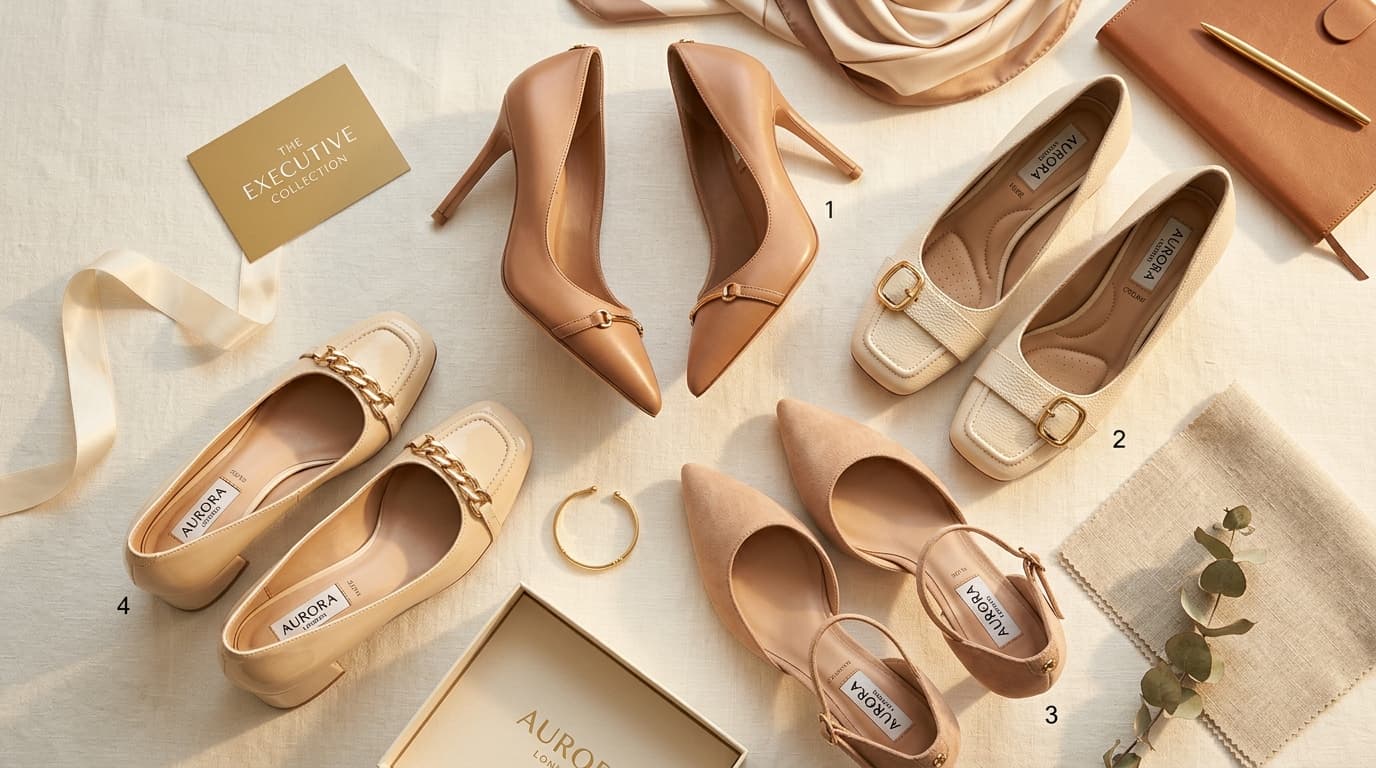
You slip on that elegant pair of 3-inch pointed-toe pumps at 7am, feeling unstoppable. By 11am, the balls of your feet are burning. By 2pm, you are fantasising about your flat slippers at home. Sound familiar? Walking in heels comfortably all day is absolutely possible — but it requires the right technique, the right shoe, and a few smart preparation tricks that most women in Nairobi have never been taught.
Quick Answer: To walk in heels comfortably, choose block or kitten heels for daily wear, use gel ball-of-foot inserts, break new shoes in at home first, walk heel-to-toe with a relaxed knee, engage your core for posture, and take your weight slightly backward. Avoid stilettos on uneven Nairobi pavements.
Step 1: Start With the Right Heel for Nairobi
Not all heels are created equal — and Nairobi's urban terrain makes certain styles far more practical than others. The city's pavements range from polished marble office lobbies to uneven CBD tarmac, cobblestone sections near the markets, and everything in between. Best Heel Types for Nairobi Daily Wear: - Block Heels (2–3 inches): The undisputed champion for Nairobi commuters. The wide, flat base distributes your body weight evenly across the entire heel, preventing the wobble and ankle fatigue that plagues stiletto wearers. Block heels also have a far longer lifespan on city pavements since the heel tip doesn't concentrate all your weight on one tiny point. - Kitten Heels (1–2 inches): The most comfortable and versatile heel for long workdays. They elevate your look and posture without putting significant pressure on your arch. Perfect for Upper Hill professionals who move between buildings frequently. - Chunky Platform Heels: If you love height, platforms are your best friend. The platform under the toe box reduces the actual pitch your foot has to sit at — so a 4-inch platform heel can feel like a 2-inch heel in terms of foot strain. - Wedge Heels: The hidden comfort secret. Wedges provide continuous sole support from heel to toe, completely eliminating the gap under the arch that causes pain in traditional heels.
The Technique: How to Actually Walk in Heels
Most heel discomfort comes down to technique, not just shoe quality. Here is exactly how to walk: The Heel-to-Toe Roll: This is the single most important technique. Plant your heel down first, then roll your weight forward smoothly onto the ball of your foot and push off. Many beginners walk on their toes or plant the whole foot flat — both create a stiff, unnatural gait and accelerate foot fatigue. Shorten Your Stride: Heels physically reduce your natural stride length. Fighting against this and taking long steps is one of the most common causes of ankle rolls and wobbling. Accept shorter, controlled steps — they actually look more elegant, not less. Walk the Invisible Line: Imagine a straight line on the floor and place each foot directly in front of the other, slightly crossing that centerline. This naturally creates the graceful hip movement associated with confident heel walking. Soft Knees: Never lock your knees completely. Keep them ever-so-slightly bent and relaxed. Locked knees absorb no shock — every step sends the full vibration straight up into your hips and lower back. Engage Your Core: Heels shift your center of gravity forward. Lightly engaging your abdominal muscles counteracts this shift, protecting your lower back and making your posture look naturally elegant.
Nairobi-Specific Challenges and How to Handle Them
Walking on Uneven Nairobi Pavements: Slow down before stepping onto any uneven surface — a cracked pavement, a gutter edge, or a kerb drop. Take the step using the entire sole rather than just your heel on a downward slope. Negotiating Stairs: - Going *up*: Place the ball of your foot on each step and let the heel hang slightly off the edge. This feels counterintuitive but is far more stable. - Going *down*: Place the *entire* foot flat on the step, holding the railing if available. Never lead with just the heel going downstairs. Navigating Wet Pavements: Nairobi rains make pavements treacherous for leather-soled heels. If caught in rain, slow your pace dramatically and keep your weight slightly more forward. Consider applying anti-slip sole pads (available in most cobbler shops in the CBD) to your favourite heels before the rainy season.
The Comfort Hacks That Actually Work
Ball-of-Foot Gel Inserts: This is non-negotiable if you wear heels for more than 4 hours. Silicone gel pads placed under the ball of your foot absorb 40–60% of the impact force and completely eliminate that burning, cramped sensation. They are inexpensive and available at most pharmacies across Nairobi. The Third and Fourth Toe Tape Trick: Tape your third and fourth toes (counting from the big toe) together with a strip of medical tape or a thin plaster. There is a nerve that runs between those two toes that gets pinched in high heels — taping them relieves that specific pain instantly. Thousands of women swear by this trick. Break In New Shoes at Home First: Never wear brand-new heels for a full Nairobi workday without breaking them in. Wear them around the house for 30–60 minutes on multiple days first — ideally with thick socks to gently stretch the toe box. This prevents the dreaded blister-fest of 'new shoe day.' Buy Heels in the Afternoon: Feet naturally swell slightly throughout the day. A heel bought at 8am may feel uncomfortably tight by 3pm. Always shop for shoes in the afternoon or evening to ensure the fit you buy is the fit you experience all day. Scuff New Soles Before Wearing Outside: Brand-new smooth leather soles are dangerously slippery on polished office floors. Before wearing new heels publicly, scuff the sole on clean concrete or use fine sandpaper. Many cobblers in the CBD will add a rubber grip pad for a small fee — highly recommended for Nairobi's mix of floor surfaces.
Choosing the Right Heel Height for Your Lifestyle
| Heel Height | Best For | Comfort Duration |
|---|---|---|
| 1–1.5 inches (Kitten) | All-day office, commuting, long walking | 8+ hours |
| 2–2.5 inches (Block/Low) | Standard office, client meetings | 6–8 hours |
| 3 inches (Mid Block/Pump) | Office presentations, shorter active days | 4–6 hours |
| 3.5–4 inches (High Pump) | Formal events, dinners, presentations | 2–4 hours |
| 4+ inches (Stiletto/Platform) | Evening events, seated occasions | 1–3 hours |
Frequently Asked Questions
I'm new to heels — where do I start? Start with a 2-inch block heel in your true size. Block heels offer the stability of a flat with just enough elevation to build your walking muscles and balance. Avoid stilettos until your ankles and calf muscles have strengthened from regular heel wearing. Why do my feet slide forward in open-toe heels? This usually means the shoe is slightly too wide, or foot sweat is causing sliding. Use ball-of-foot gel grips or try applying a thin layer of anti-perspirant to the sole of your foot before wearing — it reduces moisture and sliding. How do I stop my heels from sinking into soft ground at outdoor events? Invest in heel stoppers — small transparent rubber caps that slip over your heel tip and widen the surface area so it doesn't sink into grass or soft ground. Essential for Nairobi garden weddings, outdoor events at Karen Blixen, and alfresco dining.
Shop Heels Engineered for the Nairobi Woman
At More Kollektion, we stock only heels that have been assessed for all-day wear — with reinforced heel tips, memory-foam footbeds, and non-slip outsoles designed for Nairobi's varied surfaces. From 2-inch block heels for your Upper Hill boardroom to elegant 3-inch pointed pumps for Friday evening dinners in Westlands, every style is curated for the real life of a Nairobi professional. Visit us at Shop 204, Meru South House, Tom Mboya Street for an in-person fitting, or browse and order online at www.morekollektion.com with same-day doorstep delivery.